Howard Alvin Frank: Pacemaker Pioneer and Surgical Innovator
Howard Alvin Frank, M.D. (1914–2004)
"He was known internationally for his work on pioneering new surgical techniques and instruments." — Harvard Gazette, July 20041
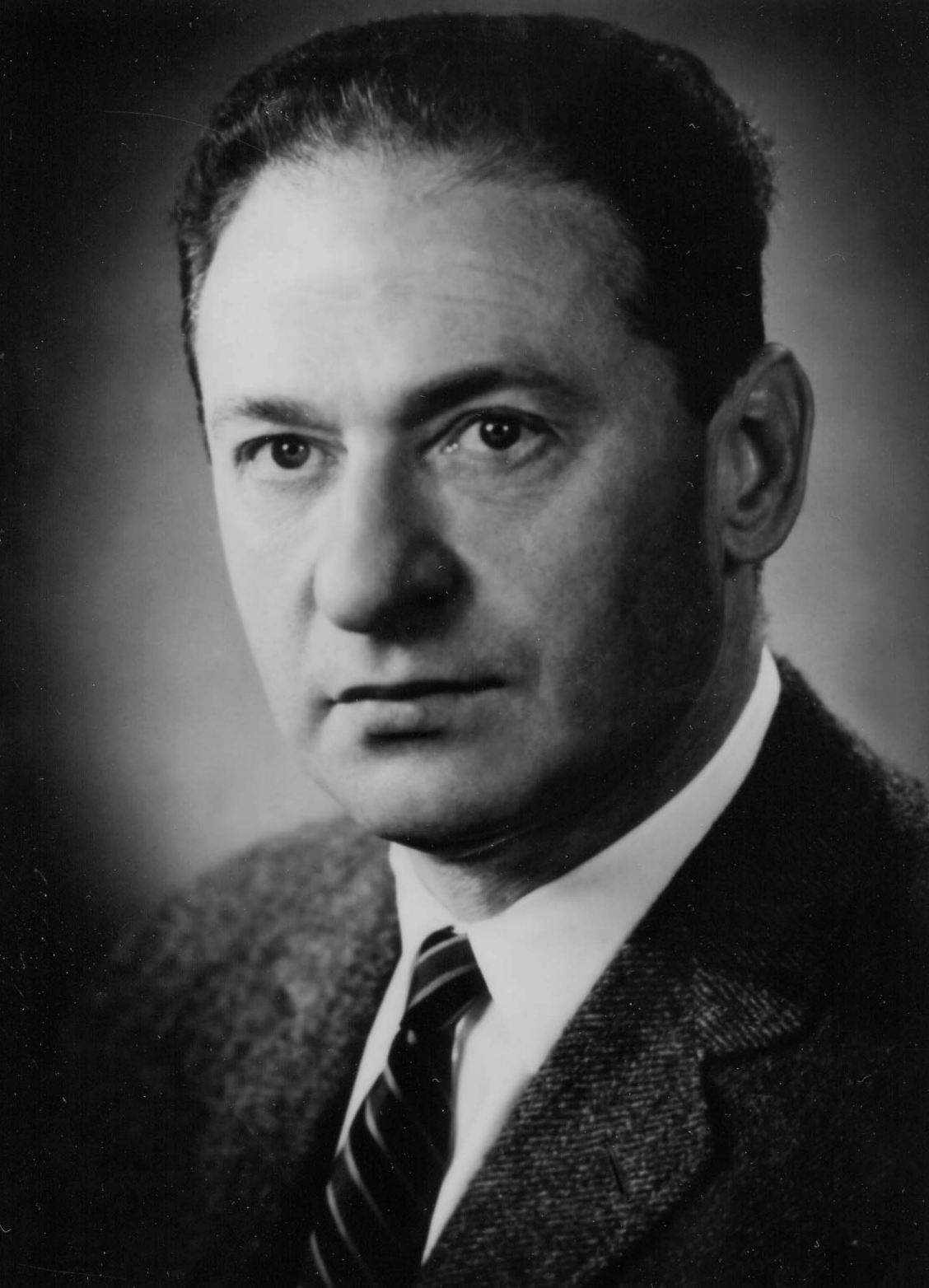
Clinical Professor of Surgery Emeritus, Harvard Medical School
Click to open full size
Howard Alvin Frank (October 11, 1914 – June 27, 2004) was an American surgeon, inventor, and medical researcher whose pioneering work shaped modern cardiology and nephrology. He was a co-developer of the implantable cardiac pacemaker, a pioneer of peritoneal dialysis, and helped build one of the first heart-lung machines. Over a 62-year career at Beth Israel Hospital and Harvard Medical School, he authored 128 scientific publications and trained generations of surgeons.2
He was my grandfather, and he taught me to play chess.
The lineage: Howard Alvin Frank → his son John B. Frank → me.
Table of Contents
- Family Origins
- Education
- Career Timeline
- The Pacemaker: A Revolution in Cardiac Care
- Peritoneal Dialysis: Saving Lives in 1946
- Other Medical Innovations
- Patents
- Publications
- Awards and Professional Memberships
- Personal Life and Family
- Legacy
- References
Family Origins
Father: Louis J. Frank, Hospital Superintendent
Howard was born into a life surrounded by medicine. His father, Louis J. Frank, was the Superintendent of Beth Israel Hospital in New York City, a position he held for approximately 30 years beginning in 1907.3 The Frank family lived in an apartment within the hospital itself, giving young Howard an intimate exposure to hospital operations and patient care from his earliest years.2
Louis J. Frank was a significant figure in early 20th-century hospital administration. He served as Superintendent from circa 1907 until the 1930s, overseeing Beth Israel's growth from a small Lower East Side dispensary to a major medical center. The hospital was located at Jefferson and Cherry Street in Manhattan.
Key accomplishments:
- Hired in 1907 by the Beth Israel Hospital Board of Trustees to serve as Hospital Superintendent3
- Authored articles on hospital management theory, including pieces on facility planning and European hospital design3
- Published "The Meatless Diet" (1921) in The Modern Hospital, arguing that vegetarianism was a healthy, cost-effective way to maintain a kosher hospital kitchen3
- Delivered "What Price Humanitarianism?" (1926), a speech to the Board of Trustees passionately arguing for moral obligations to care for the needy during financial hardship3
- Corresponded with Presidents Roosevelt and Taft in December 1918, advocating for universal nursing training in response to chronic understaffing during the influenza pandemic4
- Maintained wartime correspondence (1917–1919) with Beth Israel doctors deployed to military hospitals on the front lines in France4
During the devastating 1918 influenza epidemic, Beth Israel admitted 50 to 60 flu cases per day. Louis himself fell ill but quickly returned to duty. In a letter dated October 23, 1918, he wrote: "Our whole force is gone. If you were to come back today, you wouldn't find a familiar face… From a house staff of 15 we have been reduced to a staff of five."4 Under his direction, the hospital offered special incentive pay and bonuses for "self-sacrificing services" during the epidemic.
Mother: Rayner Frank
Howard's mother was Rayner Frank (née unknown).5 Little is documented about her publicly, though she raised four children who all achieved distinction: three sons who became physicians (Howard, Edward, and Charles) and a daughter (Jeanne) who became a senior editor at a major publishing house.
The Three Frank Brothers: A Medical Dynasty
All three Frank brothers became distinguished physicians, and remarkably, two of them—Howard and Edward—both served on staff at the same institution, Beth Israel Hospital in Boston:
| Name | Specialty | Notable Achievement |
|---|---|---|
| Howard Alvin Frank | Surgery | Co-developed pacemaker, pioneered peritoneal dialysis |
| Edward D. Frank | Vascular Surgery | Head of Peripheral Vascular Surgery at Beth Israel; National Research Council on Shock |
| Charles Warren Frank | Cardiology | Founding faculty at Albert Einstein College of Medicine; President of Association of University Cardiologists |
Education
Columbia College (1930–1934)
Howard attended Columbia College in New York City, graduating with a Bachelor of Arts degree in 1934.1 While at Columbia, he was a member of the track team, demonstrating the athletic discipline that would later characterize his tireless work ethic in the operating room.1
Note: Columbia's athletics archives and the digitized Columbia Spectator newspaper may contain additional details about his track career.
New York University College of Medicine (1934–1937)
Howard earned his Doctor of Medicine (M.D.) degree from New York University College of Medicine in 1937, at the remarkably young age of 22.12 This accelerated timeline—completing both undergraduate and medical education in just seven years—reflected his exceptional academic abilities.
Surgical Training at Beth Israel Hospital, Boston (1937–1942)
After medical school, Howard moved to Boston for his surgical residency at Beth Israel Hospital, a major teaching affiliate of Harvard Medical School. He completed his residency from 1937 to 1942, a five-year period during which he began his research career.2
During his residency:
- 1939: Participated in groundbreaking research on synthetic vitamin K, helping demonstrate its effectiveness in treating blood-clotting disorders1
- 1943: Became an early advocate for venography (contrast dye imaging of veins) as a diagnostic tool for deep vein thrombosis and venous inflammations1
Career Timeline
| Year | Position/Achievement |
|---|---|
| 1937–1942 | Surgical Residency, Beth Israel Hospital, Boston |
| 1939 | Vitamin K research during residency |
| 1942–1945 | Full-time research (3 years post-residency) |
| 1943 | Initiated clinical use of venography |
| 1945 | Joined Harvard Medical School and Beth Israel Hospital as Instructor in Surgery |
| 1946 | Co-developed peritoneal dialysis technique |
| Early 1950s | Helped build heart-lung machine at Beth Israel |
| 1960 | Implanted pacemaker in adult patient (second team in world) |
| Nov 10, 1960 | Implanted first pacemaker in a child (Larry Graves) |
| 1961 | Published landmark pacemaker study in Annals of Surgery |
| 1964 | Published four-year pacemaker follow-up study |
| 1972 | Promoted to Clinical Professor of Surgery, Harvard Medical School |
| 1977 | Awarded U.S. Patent for pacemaker electrode design |
| ~1990s | Became Clinical Professor of Surgery Emeritus |
| 2004 | Died June 27, at home in Brookline, Massachusetts |
Howard remained actively associated with Beth Israel Hospital and Harvard Medical School for 62 years of practice.1
The Pacemaker: A Revolution in Cardiac Care
Howard's most celebrated achievement was his central role in developing the implantable cardiac pacemaker, one of the most important medical innovations of the 20th century.
The Zoll Team at Beth Israel Hospital
The pacemaker was developed through an extraordinary interdisciplinary collaboration at Beth Israel Hospital. Dr. Paul M. Zoll (1911–1999), a Harvard cardiologist, conceived the idea and led the project. He assembled a team of specialists:67
| Team Member | Role |
|---|---|
| Paul M. Zoll, M.D. | Cardiologist, project leader, conceived the pacemaker concept |
| Alan Belgard | Chief electrical engineer; co-owner of Electrodyne Company (Norwood, MA) |
| Howard A. Frank, M.D. | Thoracic surgeon; performed surgical implantations |
| Leona Norman Zarsky, M.D. | Surgeon; directed the animal research laboratory |
| Arthur J. Linenthal, M.D. | Cardiac pharmacologist and electrophysiologist |
The Electrodyne Company, based in Norwood, Massachusetts, manufactured the pacemaker devices and related cardiac equipment. Their collaboration with Zoll produced chest surface pacemakers, cardiac monitors, defibrillators, and eventually the implantable pacemaker.8
Dr. Leona Norman Zarsky: A Remarkable Colleague
Dr. Leona Norman Zarsky (1923–2013) deserves special mention. She entered MIT at age 15, was one of only nine women in her class, and graduated in 1941. She earned her M.D. from Boston University School of Medicine in 1944 through an accelerated wartime program. At Beth Israel, she directed the animal research laboratory that was essential to pacemaker development.9
The Race to Implant
In the late 1950s, multiple teams worldwide were racing to create a self-contained, implantable pacemaker:
- June 6, 1960: The Buffalo team of Wilson Greatbatch (engineer) and Dr. William Chardack performed the first successful permanent pacemaker implantation in the United States10
- July 20, 1960: Zoll and Frank became the second team in the United States to implant a self-contained pacemaker in an adult patient6
- November 10, 1960: Zoll and Frank performed a historic procedure—implanting a pacemaker in Larry Graves, making him the first child in the world to receive a totally implanted pacemaker11
- By 1961: The Zoll-Frank team had implanted 14 pacemakers (compared to 15 by the Buffalo team)
The Larry Graves Story
Larry Graves was born in Fairmont, West Virginia, and diagnosed with a ventricular septal defect at 22 months of age—a condition that carried a "sentence of death in early childhood."11
At age 8, Larry was brought to Boston for corrective surgery. Dr. Paul Zoll was consulted, and the surgical team—headed by Drs. Frank and Schuster—made medical history:
"The procedure was performed on 10 November 1960. Paul Zoll and his colleague, thoracic surgeon Howard Frank, had performed open-chest pacemaker placements on a total of only 3 adults."11
The operation succeeded. Larry Graves lived for nearly three more decades, undergoing 36 operative procedures—almost one for each year of his life. He died in Fort Myers, Florida, in 1989, at age 37.11
The Larry Graves case was published in the Texas Heart Institute Journal in 2016 as "On the Life of Larry Graves: The First Child Ever to Have a Totally Implanted Pacemaker."11
See also: Early pacemaker photographs from Howard's collection (patient eyes edited for anonymity).
The Surgical Technique
Howard and Zoll initially implanted the device via an open-chest procedure, attaching electrode leads directly to the heart's surface. This was before the development of transvenous (through-the-vein) lead placement that is standard today.
Over the following years, Howard helped refine the surgical insertion techniques, making the procedure safer and more reliable.12
Landmark Publications
The team documented their clinical experience in two landmark papers:
1961 Study:
- Title: "Long-term electric stimulation of the heart for Stokes-Adams disease"
- Authors: Zoll PM, Frank HA, Zarsky LR, Linenthal AJ, Belgard AH
- Journal: Annals of Surgery, September 1961; 154(3):330-346
- PMID: 13788754 (Free full text available)
- This paper was presented to the prestigious American Surgical Association13
1964 Four-Year Follow-up:
- Title: "Four-Year Experience with an Implanted Cardiac Pacemaker"
- Authors: Zoll PM, Frank HA, Linenthal AJ
- Journal: Annals of Surgery, September 1964; 160(3):351-365
- PMID: 14206844 (Free full text available)
- Reported outcomes on 77 patients over four years
- Concluded that pacemakers had "eliminated Stokes-Adams attacks due to ventricular standstill"14
Peritoneal Dialysis: Saving Lives in 1946
Before the pacemaker, Howard made another life-saving contribution: helping develop peritoneal dialysis as a treatment for acute kidney failure.
The Research Team
In the mid-1940s, a group at Beth Israel Hospital was directed to find a method to treat renal failure under battlefield conditions. The research was funded by a contract from the U.S. Office of Scientific Research and Development (OSRD) through Harvard University. The team consisted of:15
- Jacob Fine, M.D. — Research director
- Arnold M. Seligman, M.D. — Surgical researcher
- Howard A. Frank, M.D. — Surgical researcher
All three were affiliated with the Surgical Research Department at Beth Israel Hospital and the Department of Surgery at Harvard Medical School.
The Innovation
The Seligman-Fine-Frank team developed a practical system for peritoneal dialysis that addressed several critical technical challenges:15
- Two-catheter system: Minimized obstruction during the outflow phase
- Large sterilized bottles: Prevented bacterial contamination of the peritoneum
- Modified dialysis solution: Adjusted to suit individual patient needs
- Optimized flow rates: Determined through experimental studies
The First Successful Treatment (1946)
In 1946, the team treated a patient suffering from acute renal failure induced by a sulfa drug overdose. Using their peritoneal dialysis system, they successfully cleared the toxins from the patient's blood. The patient recovered—one of the first documented survivals attributed to peritoneal dialysis.15
This achievement is recognized as "one of the primary milestones in the development of peritoneal dialysis."15
The 1946 Publications
The team published their findings in three major journals:
| Publication | Citation |
|---|---|
| Journal of Clinical Investigation | Seligman AM, Frank HA, Fine J. "Treatment of experimental uremia by means of peritoneal irrigation." J Clin Invest 1946; 25:211 |
| Annals of Surgery | Fine J, Frank HA, Seligman AM. "The treatment of acute renal failure by peritoneal irrigation." Ann Surg 1946; 124:857 |
| JAMA | Frank HA, Seligman AM, Fine J. "Treatment of uremia after acute renal failure by peritoneal irrigation." JAMA 1946; 130:703-515 |
Later Contributions to Dialysis
Howard continued research in this area. A 1948 publication documented "Further experiences with peritoneal irrigation for acute renal failure" in the Annals of Surgery.16
Other Medical Innovations
Heart-Lung Machine Development (Early 1950s)
Before commercially manufactured heart-lung machines were available, Howard collaborated with biomedical engineers at Beth Israel to build a homemade pump-oxygenator device.1
Dr. John Gibbon's first successful heart-lung machine was used in 1953, and commercial models didn't become widely available until the late 1950s. Howard's team constructed their own device to enable early cardiac surgeries at Beth Israel Hospital, helping pave the way for open-heart procedures in Boston.1
Vitamin K Research (1939)
During his surgical residency in 1939, Howard participated in studies of newly synthesized vitamin K, helping demonstrate its effectiveness in treating blood-clotting disorders. This research had immediate clinical applications for patients with coagulation problems.1
Diagnostic Venography (1943)
In 1943, Howard was an early advocate for venography—injecting contrast dye into veins to visualize them on X-rays. This technique improved the detection of:1
- Deep vein thrombosis (DVT)
- Venous inflammations (phlebitis)
- Thromboembolism risk factors
At a time when diagnosing venous clots was extremely difficult, Howard's promotion of venographic imaging likely prevented pulmonary embolism complications in countless patients.
Research on Shock and Trauma
During World War II, Howard served as a researcher in the U.S. Office of Scientific Research and Development, contributing to studies on traumatic shock and hemorrhage management.1
He collaborated with his brother Edward and Dr. Jacob Fine on studies of the bacterial factors in traumatic shock, publishing findings in the Annals of the New York Academy of Sciences in 1952.16
This work included:
- "Traumatic shock XX: The course of hemorrhagic shock in dogs treated by peritoneal irrigation or by an artificial kidney" (American Journal of Physiology, 1952)
- Studies on the role of the liver in shock recovery
- Investigations of pressor therapy for shock resuscitation
Patents
Howard's inventive spirit extended beyond surgical techniques to medical device design. In collaboration with Paul Zoll, he was awarded a U.S. patent for an improved pacemaker electrode:
U.S. Patent No. 4,058,128 — "Electrode"
| Detail | Information |
|---|---|
| Patent Number | US4058128A |
| Title | Electrode |
| Inventors | Howard A. Frank, Paul M. Zoll |
| Filing Date | August 26, 1976 |
| Issue Date | November 15, 1977 |
| Assignee | Individual (Frank and Zoll) |
| Status | Expired (anticipated expiration November 15, 1994) |
The Invention:
The patent describes a sutureless myocardial electrode designed for secure implantation in heart tissue without requiring stitches. Key features include:17
- Barb element: Sharp in one longitudinal direction and dull in the other, allowing controlled insertion and preventing perforation
- Placement element: Made of silicone rubber with a flat surface and small tissue integration holes
- Lead assembly: Constructed from platinum-iridium alloy ribbons
- Anti-rotation design: Flat blunt surfaces prevent axial rotation after implantation
The invention addressed a critical problem: earlier electrode leads could become dislodged from the heart muscle, causing pacemaker failure. The barbed tip design provided more reliable anchoring with less tissue trauma.
International Filings:
The patent was filed in eight countries: United States, Germany, France, Australia, Japan, Canada, Netherlands, and Great Britain (1977–1978).17
Patent Link: Google Patents — US4058128A
Publications
Howard was a prolific author in the medical literature, publishing 128 scientific papers over his long career.2 His work appeared in prestigious journals including:
- Annals of Surgery
- JAMA (Journal of the American Medical Association)
- New England Journal of Medicine
- Archives of Surgery
- Journal of Clinical Investigation
- Annals of the New York Academy of Sciences
Selected Key Publications
| Year | Title | Journal | Co-Authors |
|---|---|---|---|
| 1946 | "Treatment of uremia after acute renal failure by peritoneal irrigation" | JAMA 130:703-5 | Seligman AM, Fine J |
| 1946 | "The treatment of acute renal failure by peritoneal irrigation" | Ann Surg 124:857 | Fine J, Seligman AM |
| 1948 | "Further experiences with peritoneal irrigation for acute renal failure" | Ann Surg | Seligman AM, Fine J |
| 1952 | "The bacterial factor in traumatic shock" | Ann NY Acad Sci | Fine J, et al. |
| 1961 | "Long-term electric stimulation of the heart for Stokes-Adams disease" | Ann Surg 154:330-346 | Zoll PM, Zarsky LR, Linenthal AJ, Belgard AH |
| 1964 | "Four-Year Experience with an Implanted Cardiac Pacemaker" | Ann Surg 160:351-365 | Zoll PM, Linenthal AJ |
PubMed Search
A search for Howard Frank's publications can be performed at:
Awards and Professional Memberships
Howard earned considerable recognition for his contributions to medicine:
Academic Appointments
| Institution | Position |
|---|---|
| Harvard Medical School | Clinical Professor of Surgery (1972) |
| Harvard Medical School | Clinical Professor of Surgery Emeritus |
| Beth Israel Hospital | Attending Surgeon (62 years) |
Professional Memberships
- American Surgical Association — the oldest and most prestigious society of surgical leaders in the United States
- Fellow, American College of Surgeons (FACS)
- Boston Surgical Society — reportedly served as President in the early 1960s (note: not independently confirmed in available online sources)
Memorial Fellowship
In lieu of flowers at his memorial, contributions were directed to:
The Howard A. Frank, M.D. and Edward D. Frank, M.D. Surgical Fellowship Fund Department of Surgery, Beth Israel Deaconess Medical Center18
This endowed fellowship honors both Howard and his brother Edward, who also had distinguished careers at Beth Israel.
Personal Life and Family
Marriage to Sally Bernkopf
Howard married Sally Anne Bernkopf (January 10, 1922 – April 18, 2015), and they remained married for 61 years until his death in 2004.1
The circumstances of their meeting are particularly noteworthy: Sally's father, Max Bernkopf, was a prominent Boston attorney who became Howard's patient. Following her graduation from Smith College, Sally married "her father's surgeon."19
The couple settled in Brookline, Massachusetts, where they raised three children and lived for the remainder of their lives.
Sally Bernkopf Frank: Her Own Distinguished Life
Sally was far more than a physician's wife:19
- Education: B.A., Smith College
- Career: Worked for more than 50 years at Children's Hospital and Beth Israel Hospital, ultimately serving as Grant Administrator for the Hematology-Oncology Department
- Passion: Raising and showing Afghan Hounds
- Several of their hounds were international champions
- Many more were U.S. champions
- Sally served as Treasurer of the Afghan Hound Club of America
- Howard shared this passion with her
- At her death, she was survived by "a coal black Afghan hound, Kaite"
Sally's Distinguished Family
Max Bernkopf (Sally's father)
- Prominent Boston attorney
- Founded the law firm that became Bernkopf Goodman (with his son-in-law)
Abraham K. Cohen (Sally's maternal grandfather)
- First Jewish judge in Massachusetts (1912)20
- Admitted to the Suffolk bar in 1894
- First Vice President of the Associated Philanthropies
- Authored "Fifty Years of Jewish Philanthropy"
- Prominent Boston jurist and community leader
Selma Cohen Bernkopf (Sally's mother)
- Daughter of Abraham K. Cohen
Children
Howard and Sally had three children:
| Name | Residence (at Howard's death) | Notable Information |
|---|---|---|
| Anne F. Greene | Middletown, Connecticut | University Professor of English Emerita, Wesleyan University |
| Edward D. Frank II ("Wigs") | Villanova, Pennsylvania | — |
| John B. Frank | Pasadena, California | — |
They also had five grandchildren at the time of Howard's death (2004) and six grandchildren at the time of Sally's death (2015).
Anne Frank Greene (1948–2025)
Howard's eldest child, Anne F. Greene, had a distinguished academic career:21
- Born: May 16, 1948, Boston, Massachusetts
- Died: May 12, 2025, Middletown, Connecticut (Alzheimer's disease complications)
- Education:
- B.A., Harvard University, 1970
- M.A., Brandeis University, 1971
- Ph.D. coursework, Princeton University
- Career: University Professor of English, Wesleyan University (began 1974)
- Honors: Binswanger Prize for Excellence in Teaching
- Marriage: Married Nathanael Greene, Professor of History at Wesleyan University, for nearly 50 years
- Son: Matthew H. Greene, Middletown, Connecticut
Howard's Siblings
Edward D. Frank, M.D. (brother)18
- Head of Peripheral Vascular Surgery at Beth Israel Hospital, Boston
- Worked with Dr. Jacob Fine on shock research
- Appointed to the National Research Council on Shock
- Served as best man at Howard and Sally's wedding
- Married to Beatrice Sherman for 43 years
- Died April 2004 (same year as Howard) in Brookline, Massachusetts
- Described in his obituary as "one of the special few who always cared for others more than himself, unfailingly generous, kind and loving"
Charles Warren Frank, M.D. (brother)5
- Born 1921 in New York City
- Died November 11, 2004, in Silver Spring, Maryland (at his daughter's home)
- Preeminent cardiologist and medical researcher
- Faculty positions:
- Columbia-Presbyterian Hospital
- Albert Einstein College of Medicine (founding faculty)
- Bronx Municipal Medical Center (established and headed the cardiac catheterization laboratory)
- President, Association of University Cardiologists (1981–1982)
- Married to Ann Marqusee Frank for 54 years
- Daughters: Patricia Koslowe (Silver Spring, MD) and Pamela Garry (West Hartford, CT)
- Seven grandchildren and seven great-grandchildren
- Buried at Mt. Lebanon Cemetery, Glendale, Queens, New York
Jeanne Audrey Frank Bernkopf (sister)22
- Graduate of Smith College
- Senior Editor at Delacorte Press (part-time)
- Freelance "book doctor" (part-time)
- Served as Sally's only attendant at Sally and Howard's wedding
- Married Michael Bernkopf on September 5, 1965
- Michael was a professor of mathematics and director of the open curriculum program at Pace University
- Born February 14 (year unknown), New York, New York
- Died suddenly February 10, 1992, in New York City
Legacy
Howard Alvin Frank's legacy endures in multiple fields of medicine:
Cardiac Pacing
The implantable pacemaker evolved from a radical experiment in 1960 to a routine, life-saving therapy. Today, over 1 million pacemakers are implanted worldwide each year. Every contemporary pacemaker—and related devices like implantable cardioverter-defibrillators (ICDs) and cardiac resynchronization therapy (CRT) devices—traces its lineage to the groundwork laid by pioneers like Howard and Paul Zoll.
Conditions that were once fatal, like complete heart block (Stokes-Adams disease), are now readily managed with pacemaker therapy.
Dialysis
Howard's 1946 work on peritoneal dialysis helped establish renal replacement therapy as a field. The technique he helped pioneer is now a standard modality for chronic kidney disease management, enabling home-based dialysis that gives patients greater independence. Approximately 272,000 patients in the United States use peritoneal dialysis.
The Zoll-Frank Partnership as a Model
The collaboration between Zoll (cardiologist-inventor) and Frank (surgeon-engineer) is often cited as a model of interdisciplinary innovation in medicine. Their partnership demonstrated how breakthroughs emerge from the intersection of different specialties and disciplines.
Mentorship
Howard practiced surgery and taught younger physicians well into his 80s. Colleagues described him as humble, tireless, and always available to help.
Harvard cardiologist Stafford Cohen noted Howard's extraordinary dedication to his patients: "Because of the critical nature of his patients' illnesses, Howard purposely lived only minutes away from the hospital so he could get there quickly when needed."1
Neurosurgeon Jacob Rachlin recalled:2
"Even in Howard's later years, doctors coming up in training would flock to him… He was always available, the sweet grandfather figure and teacher."
The Fellowship Fund
The Howard A. Frank, M.D. and Edward D. Frank, M.D. Surgical Fellowship Fund at Beth Israel Deaconess Medical Center continues to support the training of surgeons, ensuring that Howard and Edward's commitment to surgical education lives on.18
Death
Howard Alvin Frank died on June 27, 2004, at his home in Brookline, Massachusetts, from complications of a stroke.1 He was 89 years old.
A memorial service was held at Levine Chapels in Brookline.
He was survived by his wife Sally, his three children (Anne, Edward, and John), five grandchildren, and his brother Charles (who died later that same year).1
References
Primary Sources
Additional Sources Consulted
Boston Globe. "Howard Frank; helped develop pacemaker." June 30, 2004. https://archive.boston.com/news/globe/obituaries/articles/2004/06/30/howard_frank_helped_develop_pacemaker?pg=full
Chicago Tribune. "Dr. Howard A. Frank, 89." July 8, 2004. https://www.chicagotribune.com/news/ct-xpm-2004-07-08-0407080220-story.html
Heart Rhythm Society. "Paul Zoll, MD." https://www.hrsonline.org/about-hrs/history/40th-anniversary/paul-zoll-md/
JAMA Surgery (formerly Archives of Surgery). "Advances in Pacemaker Technology." 1977. https://jamanetwork.com/journals/jamasurgery/fullarticle/582629
Mount Sinai Archives. "Affidavit from Louis J. Frank." https://archives.mssm.edu/0029-0030
Mount Sinai Archives. "Mount Sinai Beth Israel and the 1918 Influenza Epidemic." https://archives.icahn.mssm.edu/msbi-1918-epidemic-update/
Engineering and Technology History Wiki. "First External Cardiac Pacemaker, 1950." https://ethw.org/Milestones:First_External_Cardiac_Pacemaker,_1950
FamilySearch. "Abraham Kunz Cohen (1869–1957)." https://ancestors.familysearch.org/en/LD96-CG5/abraham-kunz-cohen-1869-1957
Journal of Clinical Investigation. "Treatment of Experimental Uremia by Means of Peritoneal Irrigation." 1946. https://www.jci.org/articles/view/101699
CKD Explained. "History of Peritoneal Dialysis." https://ckdexplained.co.uk/history-of-peritoneal-dialysis-pd/
ZOLL Medical. "Milestones in History." https://www.zoll.com/About/Who-We-Are/History
PMC. "History of Cardiac Pacemaker Therapy in Germany." https://pmc.ncbi.nlm.nih.gov/articles/PMC10924011/
Document Information
| Field | Value |
|---|---|
| Subject | Howard Alvin Frank, M.D. (1914–2004) |
| Author | Peter Frank (grandson) |
| Version | 2.1 |
| Last Updated | January 15, 2026 |
| Research Method | Researched, compiled, and drafted using ChatGPT Deep Research and additional AI-based research agents, with human curation and editing. Sources include web search, archival materials, and medical literature. |
| Word Count | ~5,500 words |
Acknowledgments
This biography was compiled using extensive web research including medical journal archives (PubMed, JAMA Network), newspaper obituaries (Boston Globe, Hartford Courant, Harvard Gazette), patent databases (Google Patents), hospital archives (Mount Sinai/Beth Israel), and genealogical resources.
Special thanks to the archivists at the Arthur H. Aufses, Jr. MD Archives at Mount Sinai for preserving the history of Beth Israel Hospital and Louis J. Frank's tenure.
"He was always available, the sweet grandfather figure and teacher."
— Dr. Jacob Rachlin, remembering Howard A. Frank2
Footnotes
-
Harvard Gazette. "Howard Frank, surgeon and inventor, dies." July 2004. https://news.harvard.edu/gazette/story/2004/07/harvard-gazette-howard-frank-surgeon-and-inventor-dies-2/ ↩ ↩2 ↩3 ↩4 ↩5 ↩6 ↩7 ↩8 ↩9 ↩10 ↩11 ↩12 ↩13 ↩14 ↩15 ↩16
-
Harvard Medical School Faculty of Arts and Sciences. "Memorial Minute: Dr. Howard A. Frank." https://fa.hms.harvard.edu/sites/g/files/omnuum4521/files/hmsofa/files/memorialminute_frank_howard_a.pdf ↩ ↩2 ↩3 ↩4 ↩5 ↩6 ↩7
-
Mount Sinai Archives (Arthur H. Aufses, Jr. MD Archives). "Beth Israel Hospital History." https://archives.icahn.mssm.edu/?s=%22beth+israel%22 ↩ ↩2 ↩3 ↩4 ↩5
-
Mount Sinai Archives. "Beth Israel & the 1918 Epidemic." https://archives.icahn.mssm.edu/mount-sinai-beth-israel-1918-influenza-pandemic/ ↩ ↩2 ↩3
-
Hartford Courant. "Charles Warren Frank Obituary." November 13, 2004. https://www.courant.com/obituaries/charles-warren-frank-west-hartford-and-florida-ct/ ↩ ↩2
-
Wikipedia. "Paul Zoll." https://en.wikipedia.org/wiki/Paul_Zoll ↩ ↩2
-
Pharmaceutical Intelligence. "Paul Zoll, MD: Originator of Modern Electrocardiac Therapy – A Biography by Stafford Cohen, MD, BIDMC." October 16, 2014. https://pharmaceuticalintelligence.com/2014/10/16/paul-zoll-md-originator-of-modern-electrocardiac-therapy-a-biography-by-stafford-cohen-md-bidmc/ ↩
-
Wood Library-Museum of Anesthesiology. "Electrodyne Defibrillator-Pacemaker." https://www.woodlibrarymuseum.org/museum/electrodyne-defibrillator-pacemaker/ ↩
-
Legacy.com. "Leona Zarsky Obituary." February 2013. https://www.legacy.com/obituaries/wickedlocal-newton/obituary.aspx?n=leona-zarsky&pid=163232999 ↩
-
American Heart Association. "Cardiac Pacing, 1960–1985." Circulation 1998; 97:1978. https://www.ahajournals.org/doi/10.1161/01.CIR.97.19.1978 ↩
-
Weisse AB. "On the Life of Larry Graves: The First Child Ever to Have a Totally Implanted Pacemaker." Texas Heart Institute Journal 2016; 43(1):7-10. PMCID: PMC4810591. https://pmc.ncbi.nlm.nih.gov/articles/PMC4810591/ ↩ ↩2 ↩3 ↩4 ↩5
-
Sun Sentinel. "Dr. Howard Frank, 89, Helped Develop Pacemaker." July 6, 2004. https://www.sun-sentinel.com/news/fl-xpm-2004-07-06-0407050214-story.html ↩
-
Zoll PM, Frank HA, Zarsky LR, Linenthal AJ, Belgard AH. "Long-term electric stimulation of the heart for Stokes-Adams disease." Annals of Surgery 1961; 154(3):330-346. PMID: 13788754. https://pubmed.ncbi.nlm.nih.gov/13788754/ ↩
-
Zoll PM, Frank HA, Linenthal AJ. "Four-Year Experience with an Implanted Cardiac Pacemaker." Annals of Surgery 1964; 160(3):351-365. PMID: 14206844. https://pubmed.ncbi.nlm.nih.gov/14206844/ ↩
-
Advances in Peritoneal Dialysis. "Milestones in the History of Peritoneal Dialysis." 1988. https://www.advancesinpd.com/adv88/pt1milstones88.html ↩ ↩2 ↩3 ↩4 ↩5
-
Fine J, et al. "The bacterial factor in traumatic shock." Annals of the New York Academy of Sciences 1952. https://nyaspubs.onlinelibrary.wiley.com/doi/10.1111/j.1749-6632.1952.tb26558.x ↩ ↩2
-
U.S. Patent 4,058,128. "Electrode." Inventors: Howard A. Frank, Paul M. Zoll. Issued November 15, 1977. https://patents.google.com/patent/US4058128A ↩ ↩2
-
Legacy.com. "Edward Frank Obituary." Boston Globe, April 2004. https://www.legacy.com/us/obituaries/bostonglobe/name/edward-frank-obituary?id=27171307 ↩ ↩2 ↩3
-
Dignity Memorial. "Sally Frank Obituary." April 2015. https://www.dignitymemorial.com/obituaries/boston-ma/sally-frank-6408712 ↩ ↩2
-
Wikipedia. "List of first minority male lawyers and judges in Massachusetts." https://en.wikipedia.org/wiki/List_of_first_minority_male_lawyers_and_judges_in_Massachusetts ↩
-
Legacy.com. "Anne Greene Obituary." Boston Globe, May 2025. https://www.legacy.com/us/obituaries/bostonglobe/name/anne-greene-obituary?id=58426214 ↩
-
Dartmouth Alumni Magazine. "Class Notes 1949." May 1976. https://archive.dartmouthalumnimagazine.com/article/1976/5/1/1949 ↩